









Beginner Guide to Journaling Every Day for Better Well-Being
Journaling is a powerful and accessible tool that can enhance your creativity, boost mental clarity, and support emotional well-being. If you’re new to journaling or want to make it a daily habit, this beginner guide will walk you through practical tips and ideas to get started and stay consistent.
Why Journal Every Day?
Before diving into how to journal, it’s helpful to understand why making it a daily habit matters:
– Builds self-awareness: Daily writing helps you understand your thoughts and feelings better.
– Enhances creativity: Regular journaling encourages new ideas and fresh perspectives.
– Reduces stress: Putting your worries on paper can relieve anxiety and improve focus.
– Tracks progress: Journals act as a record of your goals, challenges, and achievements over time.
Even spending just five to ten minutes a day can make a noticeable difference in your mindset.
Getting Started: What You Need
You don’t need much to begin journaling. Here’s a simple checklist to prepare:
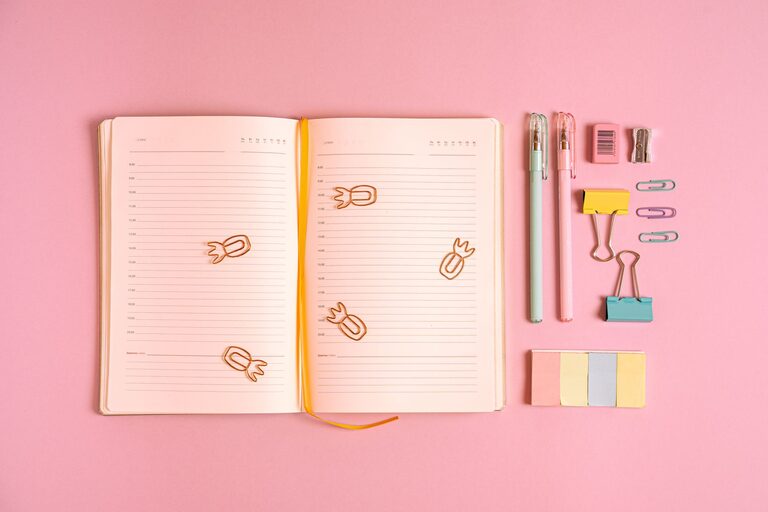
– Journal or notebook: Choose something you enjoy writing in, whether it’s a plain notebook, a guided journal, or a digital app.
– Writing tool: Pick a pen or pencil you like. For digital journaling, select an app that feels intuitive.
– Quiet space: Find a comfortable spot free of distractions to write your entries.
– A timer (optional): Set a timer for five to ten minutes if you want to limit your journaling time.
Remember, this is your personal habit, so there’s no need to make it complicated or expensive.
How to Journal Every Day: Step-by-Step
1. Set a Consistent Time
Choose a time that fits naturally into your routine, such as first thing in the morning or before bed. Consistency helps your brain associate journaling with that part of your day, making it easier to stick to the habit.
2. Start Small
Begin with just five minutes. Write whatever comes to mind without worrying about grammar or spelling. Don’t pressure yourself to create perfect entries.
3. Use Prompts if Stuck
If you’re unsure what to write, prompts can help get your thoughts flowing. Some ideas include:
– What am I grateful for today?
– What’s one thing I accomplished?
– How do I feel right now?
– What’s something I’m looking forward to?
4. Explore Different Styles
Try various journaling styles to find what suits you best:
– Free writing: Let your thoughts flow without editing.
– Gratitude journaling: List things you appreciate in your life.
– Goal tracking: Record progress toward personal or work goals.
– Reflective journaling: Analyze your experiences and lessons learned.
5. Keep It Private and Judgment-Free
Remember that your journal is for your eyes only. This mindset allows you to be honest without fear or shame, which is key for effective journaling.
Tips to Maintain Your Daily Journaling Habit
– Set reminders: Use phone alarms or calendar events to remind you.
– Celebrate small wins: Acknowledge each day you journal, even briefly.
– Be flexible: If you miss a day, don’t get discouraged. Just pick up where you left off.
– Personalize your journal: Add drawings, stickers, or colors to make writing enjoyable.
– Connect with a community: Join online journaling groups for motivation and inspiration.
How to Use Your Journal Over Time
Your journal can become a valuable resource:
– Review entries regularly: Look back to see your growth or recurring patterns.
– Set monthly or weekly goals: Use your journal reflections to plan next steps.
– Practice mindfulness: Use journaling as a tool to process emotions and reduce stress.
Common Challenges and How to Overcome Them
– Writer’s block: Start with bullet points or lists to ease into writing.
– Lack of time: Try micro-journaling by writing one sentence or a few words.
– Self-doubt: Remind yourself that your journal has no rules or expectations.
Final Thoughts
Journaling every day doesn’t require a big time commitment or special skills. With simple tools, a little patience, and a willingness to be honest with yourself, you can build a rewarding habit. Whether you want to reduce stress, enhance creativity, or simply capture your daily experiences, journaling is a versatile practice that can support your well-being in many ways.
Start today, and enjoy the journey of self-discovery through your own words!